Toll Free (519) 659-2832
Mon - Fri 8:00AM - 5:00PM

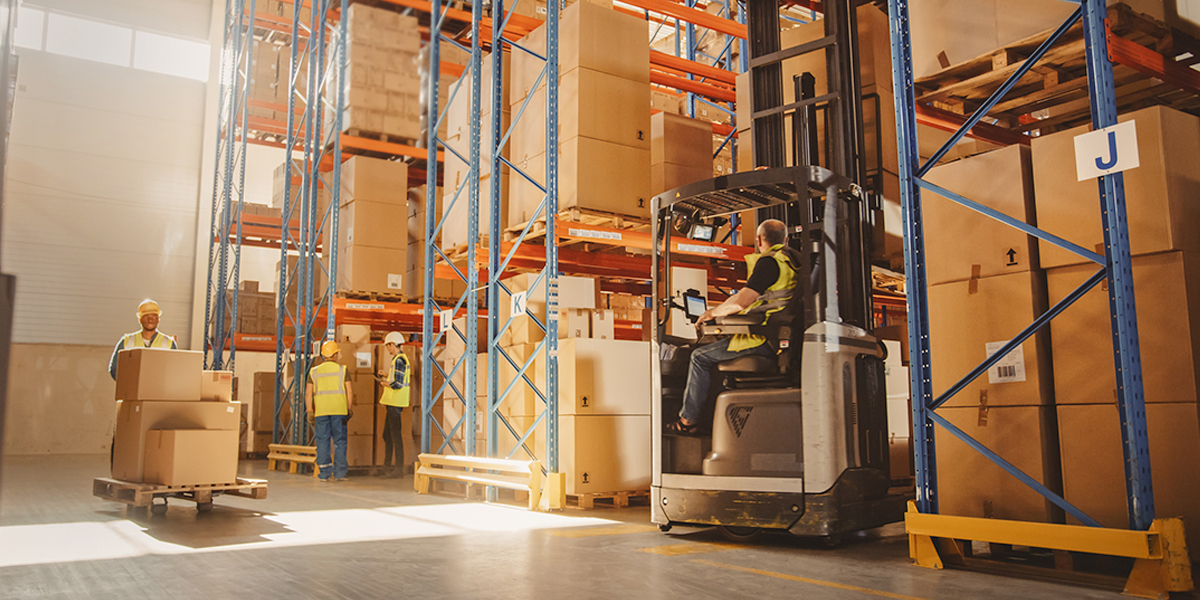
A modern warehouse can be busy, but it needs to operate as a cohesive and well-oiled machine to remain productive and safe. Worn-out and poorly maintained warehouse equipment can slow down production, increase safety hazards and cause hours of lost time due to unexpected repairs.
In the workplace, having safe and well-maintained equipment can be the difference between success and failure. Protecting your warehouse equipment and boosting efficiency requires an understanding of the role all warehouse workers play in reducing downtime and adhering to best practices.
By taking appropriate care of your equipment, you’re also demonstrating that you comply with safety standards and ensuring the well-being of your team.
Preventative maintenance should be a vital part of any long-term warehouse efficiency plan. Protecting your equipment can reveal areas where operational efficiency is lacking and help you maintain warehouse worker safety.
You can gain significant insights into improving both day-to-day operations and future goals through:
While there’s no such thing as a nonessential area of equipment safety in a warehouse, there are a few key areas that should be a priority for warehouse equipment maintenance. Be sure to have regular checks and protection measures in place for these key areas.
Dock levelers are essential to a smooth-running warehouse. They are the bridge between a loading dock and the bed of a loading vehicle. A busy loading dock is a productive one, and the constantly used moving parts of this equipment can make it a potential failure risk.
Conducting regular equipment safety checks can prevent the risk of your dock levelers breaking down and stopping other loading dock deliveries or pickups from happening. For general inspections, dock levelers should be checked three times per day — once in the morning, once midway through the workday and once at the end of the day.
Some other simple but effective in-house operational efficiency checks to reduce downtime risks include:
A qualified technician should also conduct other maintenance checks and inspections. These include:
Regular training, employee access to manuals and clear signage that confirms the loading dock’s maximum weight loads are also important preventative measures. Finally, choosing a reputable dock repair specialist to resolve any issues found can help to reduce problems and maintain long-lasting repairs.
Reliable industrial doors can help reduce downtime and may lower energy costs by maintaining consistent levels of heat, which is essential for any warehouse that handles temperature-sensitive goods. High-speed warehouse doors can contribute to a cohesive and streamlined operation, allowing forklifts and deliveries to come in and out efficiently without delay.
Some in-house methods for checking industrial warehouse doors include daily inspections for misaligned or damaged sensors and checking for dust and dirt. Training forklift drivers on the importance of waiting for the door to fully open before entering can also prevent damage to the door.
Inspecting industrial doors properly is an essential part of warehouse safety, efficiency and compliance. This includes checking monthly for any dents and gaps in warehouse doors to immediately resolve any potential security breaches.
Bring in a qualified technician to conduct more detailed checks. They will replace seals and worn-out parts and ensure the locking system operates properly.
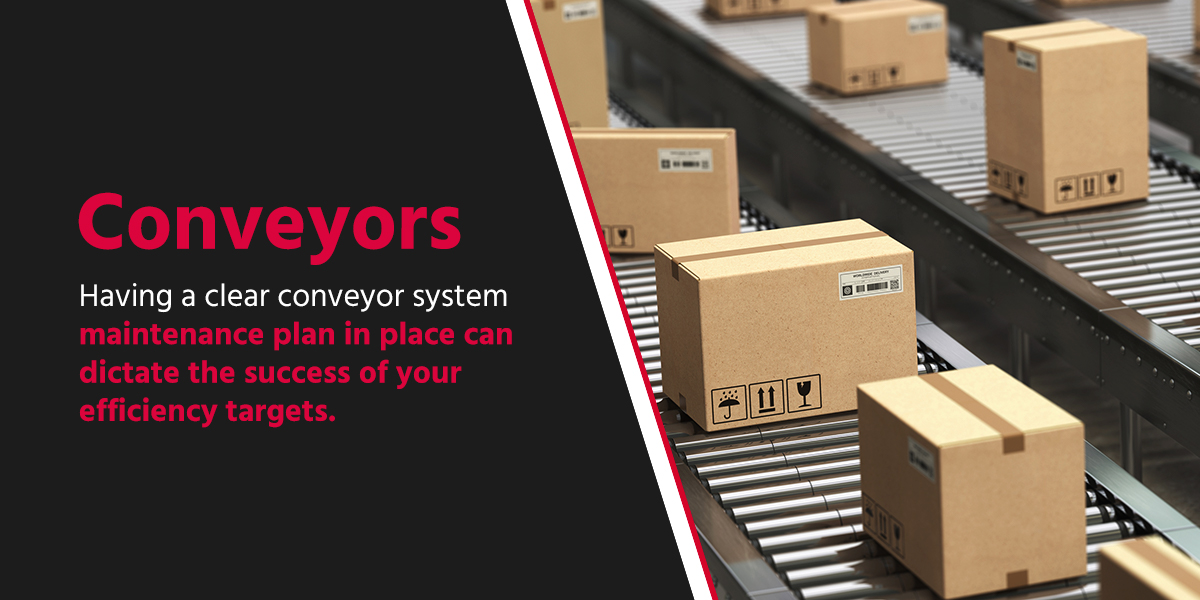
A fully functioning conveyor system is integral for an efficient warehouse. But improperly maintained components of a conveyor system — rollers, chains, motors and belts — can lead to poor performance and delays.
Having a clear conveyor system maintenance plan in place can dictate the success of your efficiency targets. For many warehouses, operational efficiency can depend entirely on the conveyor system, especially for companies with specific goods requirements that the conveyor has been tailored to support.
The following are good in-house ways of protecting your warehouse equipment and boosting efficiency:
Access to spare conveyor parts alongside a strong maintenance plan can reduce downtime and extend the lifespan. Having employees who use the systems and are trained in basic conveyor maintenance will also help establish any recurring trends for any specific areas that need repairs.
A professional electrical engineer should also conduct checks on sensors and conveyor controls, which can give you insights into any hazardous corrosion or overheating. With the information all of these comprehensive checks provide, you can reduce stoppage and understand when to invest in upgrading your conveyor systems.
Racking systems are crucial for making use of warehouse space and keeping products organized. A cohesive racking system equipment maintenance plan can ensure you remain safe, compliant and stable. Due to the high volume of forklift traffic and different products being stored, warehouse racking requires proper care to give it the best possible life.
If you’re in Ontario, new racking must be certified by an engineer to keep your warehouse compliant. Existing racking must be inspected by qualified personnel. The CSA A344-17 guide calls for monthly internal inspections and yearly expert inspections.
Follow these tips to protect warehouse racking equipment, prevent delays and inspection failures, and ensure your warehouse racking systems are in the best possible shape between any racking inspection services:
Protecting your warehouse equipment and boosting efficiency can be the deciding factors in boosting your production output without sacrificing compliance and safety. Arbon Canada provides material handling equipment and services to keep your company operating safely and efficiently.
Our wide range of services helps ensure equipment safety and compliance. Contact us today to discuss what we can do for you.